What to Expect in Your First Salsa Workshop
Salsa’s rhythm takes getting used to. We cover the basic box step, partner connection, and timing — plus tips for staying relaxed while you’re learning.
Your First Steps into Salsa
Walking into a salsa workshop for the first time can feel intimidating. You’ll see people moving with confidence, hear music that seems impossibly fast, and wonder if you’ll ever catch the beat. But here’s the thing — everyone in that room felt exactly the same way once.
Salsa isn’t as complicated as it looks. It’s built on a simple eight-count rhythm, and once your body understands that pattern, everything else starts to click. Most people pick up the basics in their first session. What takes longer — and what’s actually fun — is learning how to move smoothly, connect with a partner, and start enjoying the music.

The Box Step — Your Foundation
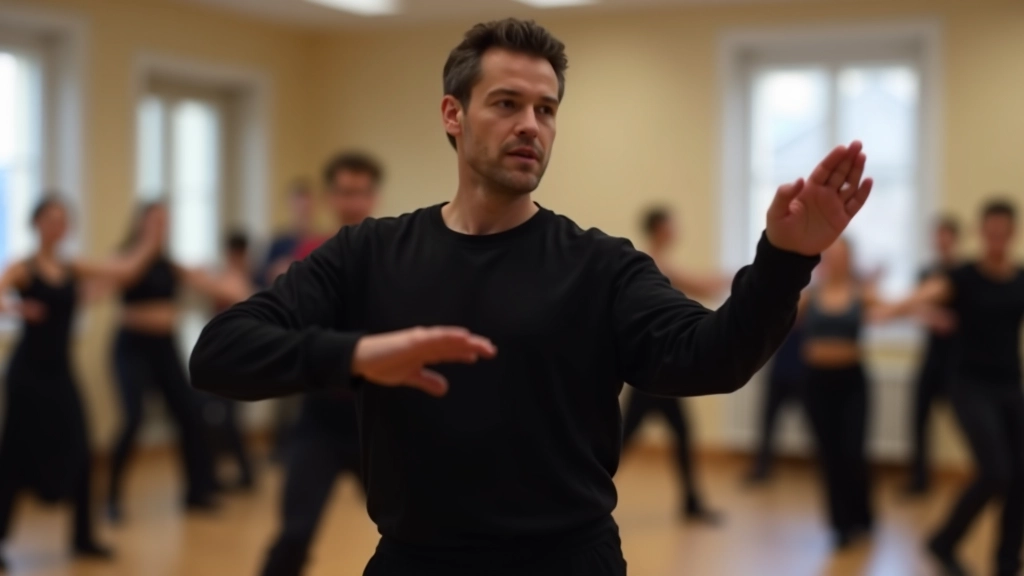
The box step is where every salsa dancer starts. You’ll move forward, side, back — then repeat in reverse. That’s it. The pattern takes up three counts, then you pause on the fourth. Your instructor will break it down into these movements:
- Counts 1-2-3: Step forward with your left foot, step side with your right, step back with your left
- Count 4: Pause — this is where the rhythm sits
- Counts 5-6-7: Reverse the pattern, stepping back with your right foot
- Count 8: Pause again
You’ll practice this for maybe 10-15 minutes before the music starts. By then, your feet know what to do — even if your brain doesn’t quite believe it yet.
Partner Connection Changes Everything
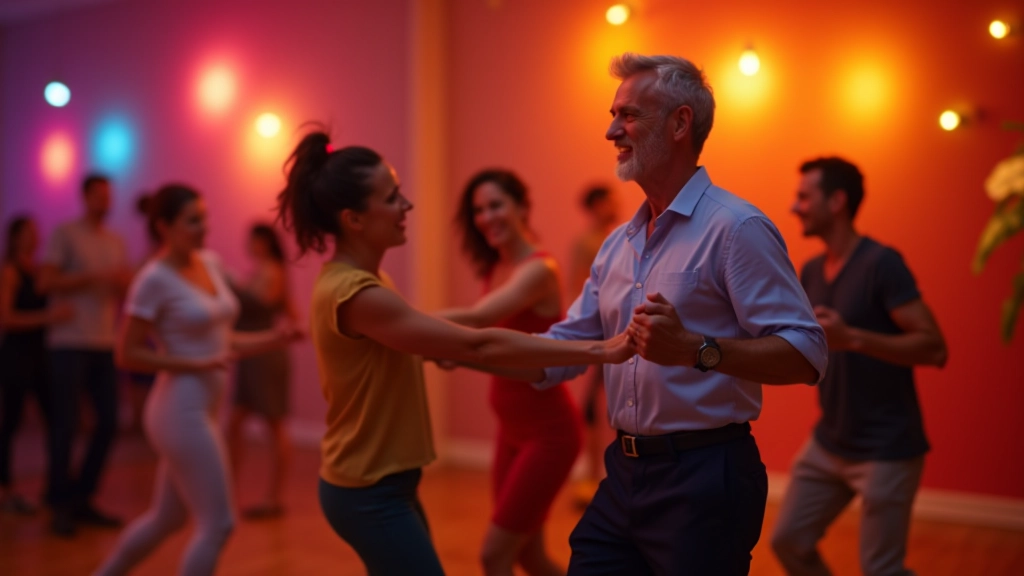
Once you’ve got the footwork down, you’ll partner up. This is where salsa becomes real. You’re not just following steps anymore — you’re listening to another person through physical connection.
The lead (usually the person stepping back first) creates gentle pressure through their hands to signal direction changes. The follow responds to that pressure rather than thinking about steps. Sounds complicated? It’s actually simpler than memorizing choreography. Most workshops spend 20-30 minutes teaching lead and follow roles, then you’ll rotate partners so you get practice on both sides.
Don’t worry about getting it perfect. Your partner wants you to succeed — they can’t dance if you’re tense and worried. The best dancers stay relaxed and communicate clearly through their frame.

Timing and Musicality
Salsa music typically runs between 160-220 beats per minute. That sounds fast, but you’re only moving on beats 1, 2, 3, 5, 6, 7 — you’re pausing on 4 and 8. Your body naturally finds the rhythm once you’ve done it a few times.
Here’s what helps: stop thinking about “steps” and start feeling “weight shifts.” When the music plays, you’re shifting your weight from one foot to the other. The steps are just what your feet do while that happens. This mental shift makes everything smoother. Instead of counting “1-2-3, pause, 5-6-7, pause,” you’re listening to the clave — a distinctive rhythm pattern in the music that tells you where you are.
Your instructor will point this out. You’ll hear it. And suddenly the music makes sense.
Practical Tips for Your First Workshop
Wear the Right Shoes
Smooth-soled shoes or dance shoes are essential. You need to pivot and turn without your sole gripping the floor. Regular sneakers will lock your feet in place and make you feel clumsy.
Stay Relaxed
Tension is your enemy in salsa. You’ll move more smoothly, your partner will feel better connection, and you’ll actually enjoy yourself. Take deep breaths between exercises.
Embrace the Rotation
You’ll dance with different partners throughout the session. This isn’t awkward — it’s how you learn. Each person leads or follows slightly differently, and that variety helps you adapt faster.
Don’t Overthink
Your brain will try to count everything. That’s normal. Eventually your body learns the pattern and you can stop thinking. Dance, don’t calculate.
Listen to Your Instructor
They’ll cue you through combinations. “Step, side, back, pause” — listen for these verbal cues. They help you stay on beat when the music’s moving fast.
Bring Water
You’ll be moving continuously for 60-90 minutes. Staying hydrated keeps your energy up and helps you focus on learning rather than getting tired.
What a Typical Session Looks Like
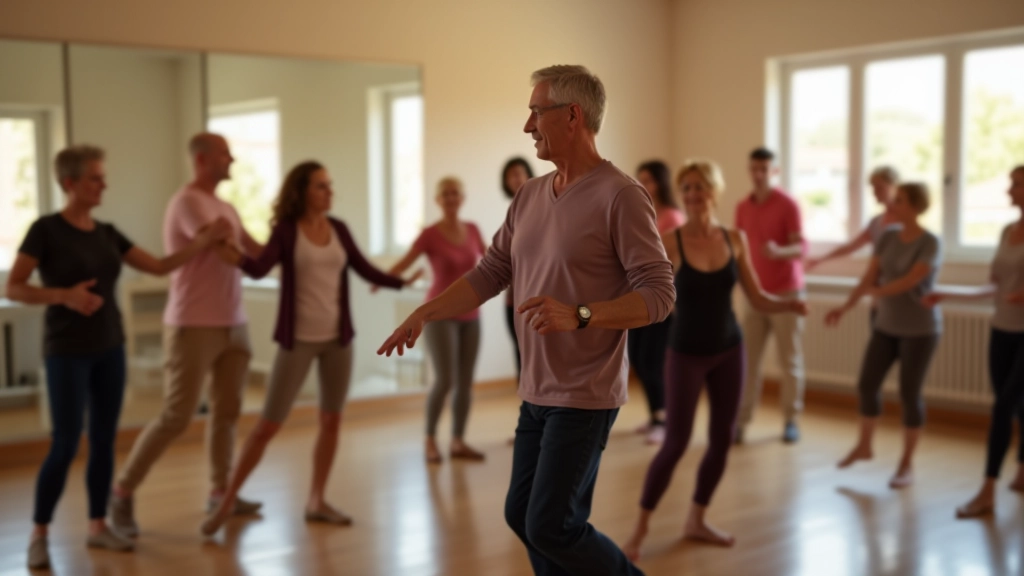
Most salsa workshops follow a similar structure. You’ll arrive about 10 minutes early, get settled, and chat with other participants. Everyone’s nervous their first time — you’re not alone.
The instructor starts with a warmup — simple movements to loosen your hips and shoulders. Then you’ll learn the box step without music, breaking it down slowly. Once people look confident, the music comes on and you practice at tempo.
Next comes partner connection work. The instructor demonstrates, you practice with a partner, then you rotate. By the end of the session, you might run through a simple combination — maybe four or five moves strung together. Nothing complicated. You’ll finish with a free dance where you just do whatever you’ve learned, moving with the music.
The whole thing usually takes 60-90 minutes. You’ll leave sweaty, slightly confused about what you just learned, and excited to come back.
“I wasn’t sure I could do it at my age. But the instructor made it clear that this isn’t about being perfect — it’s about enjoying the music and the movement. By week three, I was actually dancing with confidence.”
— Paula, 52
Your Progress Timeline
First Session
You’ll learn the basic box step and understand the eight-count rhythm. You might feel clumsy, but that’s normal. Everyone does.
Weeks 2-3
Your feet start remembering the pattern without thinking. Partner connection feels more natural. You’re smiling more than concentrating.
Month 2
You’re adding turns, spins, and basic styling. The music doesn’t sound chaotic anymore — you’re hearing the clave and moving with it.
Month 3+
You’re comfortable on the dance floor. You can follow variations, dance with confidence, and you’re thinking about joining a social or workshop series.
Ready to Start Your Salsa Journey?
Your first salsa workshop is the hardest step. Everything after that gets easier and more fun. You’ll meet people, enjoy great music, and discover a passion you didn’t expect. That’s the real magic of salsa.
Explore Dance EventsImportant Note
This guide provides general information about salsa workshops. Every instructor and studio may approach teaching differently. If you have any physical limitations or health concerns, consult with your doctor before starting dance classes. Always inform your instructor about any injuries or conditions that might affect your ability to participate.
Explore More Dance Topics