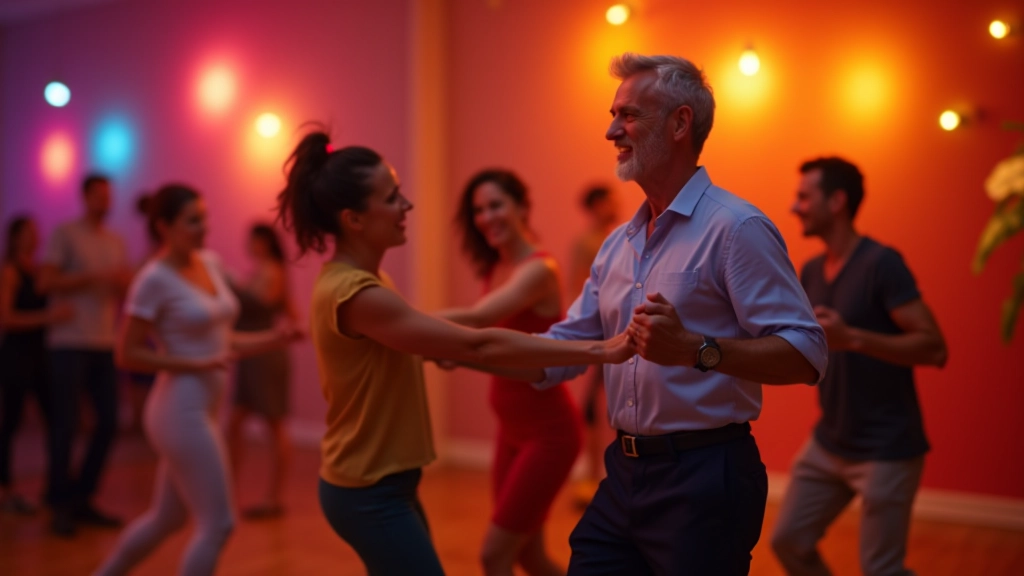
Understanding Tango Connection and Partner Work
Tango isn’t about fancy footwork or perfect turns. It’s about listening to your partner through physical connection, understanding frame, and communicating without words. We’ll break down what connection really means and how to develop it.

What Connection Really Means in Tango
Connection in tango is often misunderstood. Most beginners think it’s about holding tight or staying glued to their partner. But that’s the opposite of what we’re aiming for. Real connection is about sensitivity — feeling your partner’s weight, their direction, their energy.
Think of it like a conversation. You’re not shouting at your partner; you’re listening carefully to what they’re saying and responding naturally. In tango, this conversation happens through your body. The lead gives subtle signals through the frame, and the follower responds with equal sensitivity. When both dancers are truly listening, something magical happens — the dance flows without tension, without effort.
It takes time to develop this. Most dancers don’t feel real connection until they’ve been training for 6-8 weeks. That’s completely normal. The body needs time to understand what it’s feeling and how to respond.

The Frame: Your Communication Channel
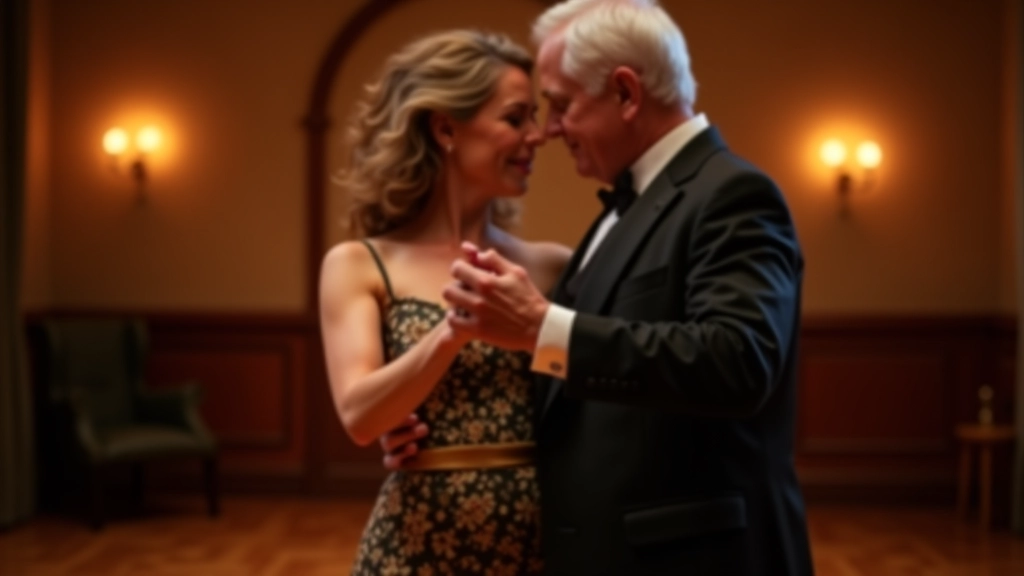
The frame is where all the communication happens. It’s the structure created by your arms, shoulders, and upper body when you’re dancing with a partner. A good frame isn’t rigid — it’s firm but flexible, like a well-made wooden frame for a painting. There’s structure, but it can move and respond.
Here’s what matters in frame:
- Arm position: Your left arm (if you’re leading) stays at shoulder height. Your right hand rests on your partner’s back, roughly between the shoulder blades. This isn’t a tight grip — it’s a placement.
- Shoulder connection: Both dancers’ shoulders should be relatively level and aligned. If one partner’s shoulders collapse forward, the connection breaks immediately.
- Space: You’re not pressed against your partner. There’s about a palm’s width of space between your bodies. This space is where the magic happens — it allows your partner to feel your movement without being crushed.
The frame needs to stay consistent throughout the dance. When you’re learning, you’ll feel your partner shift their frame around constantly. That makes it impossible for them to understand what you’re communicating. One of the biggest improvements happens when dancers realize: keep your frame stable, let your partner feel it, and they’ll know what you’re doing.
Leading and Following: Not What You Think
People sometimes imagine leading in tango as the leader pulling their partner around like they’re moving a puppet. That’s exhausting for the leader and confusing for the follower. Real leading is much more subtle.
The leader suggests direction through small movements in the frame and body. The follower feels this suggestion and responds by moving in that direction. If the follower is paying attention, they’re already moving before the leader fully completes their thought. It’s anticipatory. It’s responsive. It’s a conversation.
Following isn’t passive. A good follower is actively listening, staying connected, and ready to respond immediately. They’re not waiting for the lead to drag them — they’re meeting the lead halfway. In fact, followers often say that dancing with a truly good follower makes them a better leader, because they get clear feedback about whether their leads are actually clear.
Both roles require skill and attention. Neither is harder than the other — they’re just different kinds of difficult. And yes, you should try both. Most people improve faster when they’ve experienced dancing in both roles.
How Connection Develops Over Time
Connection isn’t something that happens overnight. It’s built gradually through consistent practice and paying attention to what you’re feeling.
Finding the Frame
You’re mostly focused on remembering where your arms go and not stepping on your partner’s feet. Connection feels foreign. That’s fine. You’re building the physical structure right now.
Feeling Something
Suddenly you start noticing your partner’s weight. You feel when they’re ready to move. The dance becomes less about steps and more about responding to another person. This is when it gets interesting.
Real Connection
The frame stays consistent. Your leads are clear because you’re not forcing anything. Your follower can anticipate your direction. Dancing becomes effortless because you’re both on the same wavelength.
Dancing with Anyone
Your connection skills are strong enough that you can dance with different partners and feel their style. You adapt quickly. You understand the language fluently enough to have a real conversation on the dance floor.
Practical Exercises to Build Connection
Building connection isn’t mysterious. You can practice specific things to make it happen faster. These aren’t flashy — they’re fundamental exercises that every serious dancer works on.
The Frame Walk: Stand facing your partner in frame (no stepping). Walk forward and backward slowly, focusing only on keeping your frame stable. Feel your partner’s weight on your hands. This teaches you what connection actually feels like. Most dancers need 10-15 minutes of this before they understand frame.
The Pivot: With your partner, practice small pivots (turns on one leg). This forces both dancers to maintain frame while rotating. If someone’s frame falls apart, the pivot gets wobbly. It’s impossible to fake. You’ll immediately feel when your partner isn’t holding their frame.
Following the Lead: The leader moves around the dance floor slowly while the follower closes their eyes (or looks down). This removes visual information and forces the follower to rely entirely on feeling the lead through the frame. It’s revealing. Most followers realize they’ve been following visually, not physically.
Do these for 5-10 minutes at the start of every session. They’re not glamorous, but they’re more valuable than learning fancy choreography before you’ve mastered the basics.
Connection Changes Everything
When connection clicks, tango transforms from a series of steps into a genuine conversation between two people. You’re not performing for an audience — you’re communicating with your partner. The dance becomes easier, more fun, and infinitely more rewarding.
The good news? You don’t need to be talented or athletic to develop connection. You need consistency, attention, and a willingness to focus on fundamentals instead of fancy moves. Most dancers see real improvement in 6-8 weeks of regular practice. Some get it faster. The timeline doesn’t matter as much as staying committed to understanding what connection actually is.
If you’re working on your tango connection right now, keep going. The patience you’re investing now will pay off when you feel that moment where the dance finally flows without effort. That’s when you’ll understand why tango lovers are so passionate about this dance.
Ready to experience real tango connection in person?
Explore Tango Classes & EventsDisclaimer
This article provides educational information about tango dancing and partner connection. Individual progress varies based on physical ability, prior experience, and practice frequency. Always work with qualified instructors and warm up properly before dancing to prevent injury. Dance styles and techniques may vary by region and instructor methodology.
Related Articles